Nutrition Basics

Understanding Balanced Eating

Clear, factual guidance on everyday nutrition for adults aged 50 and over — no jargon, no exaggerated claims, just practical information you can apply at home.

Nutrients Worth Including in Your Diet

A balanced diet naturally includes a wide variety of nutrients. Here are some commonly discussed ones and the everyday foods that contain them.

🐟

Protein

Protein is found in a wide range of foods and plays an important role in the body's everyday function.

Sources: fish, chicken, eggs, tofu, lentils, beans
🥦

Dietary Fibre

Fibre is found naturally in plant-based foods and is part of a balanced, varied diet.

Sources: oats, vegetables, fruits, brown rice, legumes
🫐

Antioxidants

Antioxidants are found in many colourful fruits and vegetables as part of a varied, plant-rich diet.

Sources: berries, leafy greens, tomatoes, broccoli, carrots
🥑

Healthy Fats

Unsaturated fats are found in several whole foods and are part of a balanced dietary pattern.

Sources: olive oil, avocado, nuts, seeds, oily fish
🍊

Vitamins & Minerals

A varied diet rich in fruits and vegetables naturally provides a broad range of vitamins and minerals.

Sources: seasonal fruits, dairy, fortified foods, leafy greens
💧

Hydration

Staying well-hydrated is a simple, important part of daily health and general well-being.

Sources: water, herbal teas, soups, water-rich fruits and vegetables
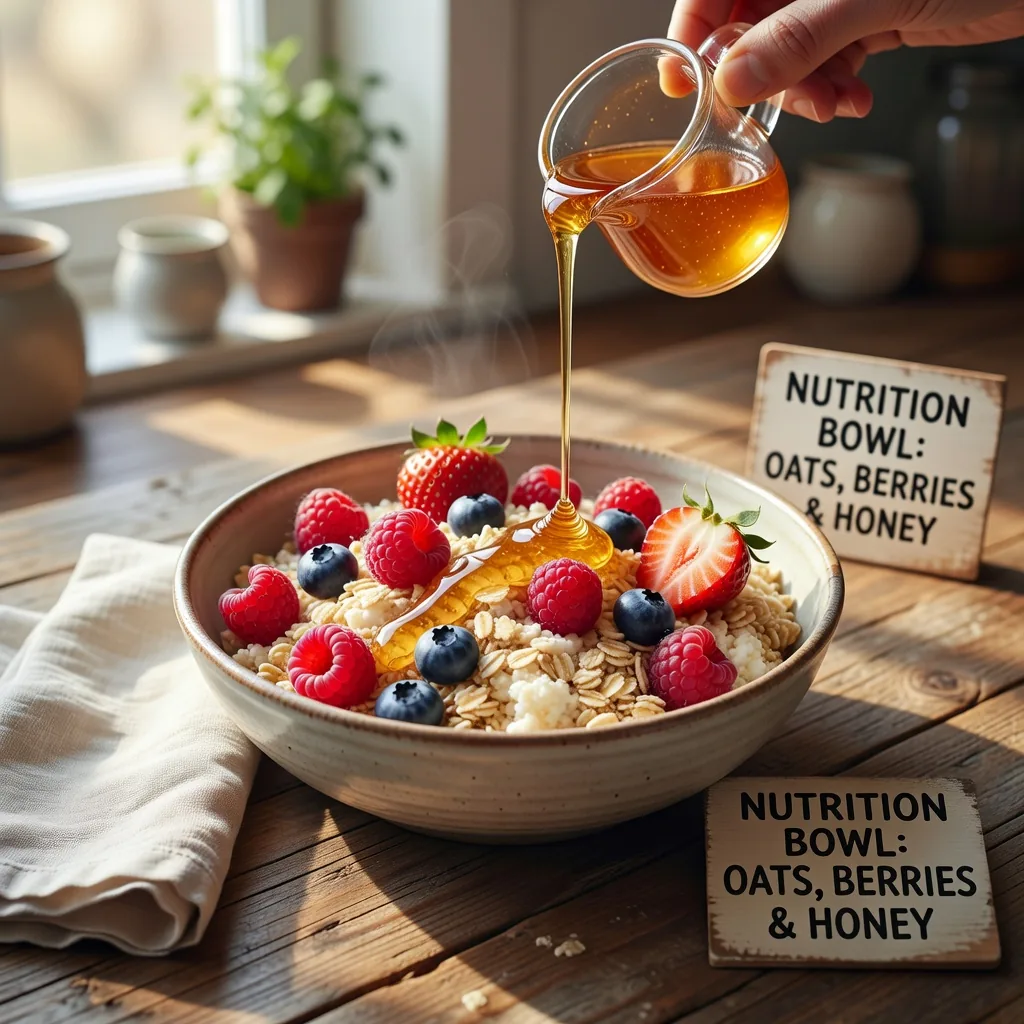
Balanced breakfast bowl with oats, fresh berries, and seeds

A Simple Guide to Plate Balance

A practical way to think about meal balance is to consider the proportions of different food groups on your plate. This is a general visual guide — individual needs vary.

Vegetables & Fruits — approx. half your plate
Aim for a variety of colours and types
Whole Grains — approx. one quarter
Brown rice, oats, wholemeal bread, quinoa
Protein Foods — approx. one quarter
Fish, chicken, eggs, tofu, legumes

Colourful seasonal fruit platter rich in water content and vitamins

The Role of Water in Daily Life

Staying well-hydrated is a straightforward aspect of everyday wellness. Water is involved in many of the body's basic functions, and maintaining regular fluid intake is generally recommended.

Nutrition FAQ

Do I need special food products to eat well?
No — a balanced diet can be built entirely from ordinary, widely available whole foods such as vegetables, fruits, grains, and proteins. No special products are required.
How many meals should I eat each day?
Meal frequency is a personal preference. Three balanced meals per day is a common pattern, but the right approach for you depends on your own preferences, lifestyle, and any guidance from a healthcare professional.
Is it possible to cook nutritious meals on a budget?
Yes — many nutritious foods such as legumes, seasonal vegetables, oats, and eggs are very affordable. Planning meals and cooking in batches can also help reduce food waste and costs.
Do I need to count calories to eat a balanced diet?
Calorie counting is one approach, but it is not the only way to eat well. Focusing on variety, portion awareness, and choosing whole, minimally processed foods is a practical alternative for many people.
Should I consult a doctor about my diet?
If you have specific health conditions, take regular medication, or have concerns about your diet, we always recommend consulting a qualified healthcare professional or registered dietitian for personalised advice.

Important notice: The information on this page is for general educational purposes only and does not constitute medical or dietary advice. For personalised guidance, please consult a qualified healthcare professional or registered dietitian. Nutrition Meal Prep makes no medical claims.